by Google
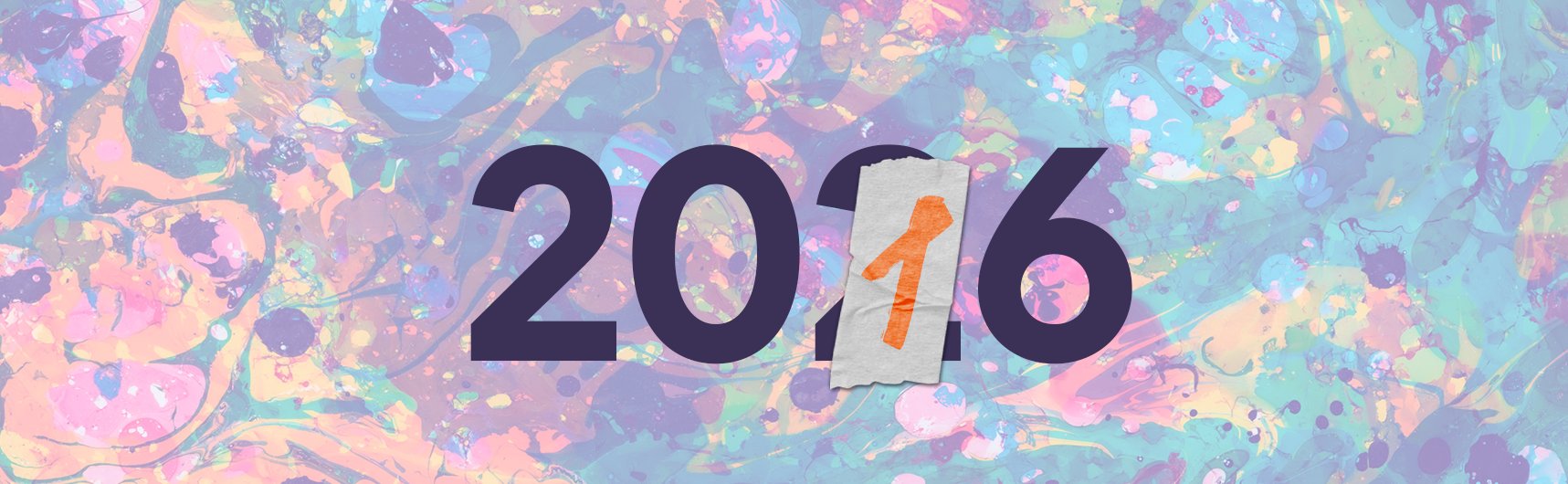
In recent months, the Internet has been repeating the phrase "2026 is the new 2016." Social networks are flooded with old photos from archives, commemorative videos, playlists from 2016 and returns to the aesthetics of that time. However, this return is not just a coincidence, it is a broader cultural phenomenon that manifests itself in fashion, music and the way people talk about the past.
One of the main reasons is nostalgia as a form of emotional security. Many people associate the year 2016 with a personally simpler time, for example, high school or college years, less responsibility, more spontaneity. In contrast to today's reality, which is full of crises, uncertainty and permanent pressure to perform, this period seems to be calmer in retrospect, even though objectively it was not without problems.
The feeling that 2016 was the last "innocent" year of the internet also plays an important role. Content was created more spontaneously, without a clear strategy, and users felt that they were on the platforms for entertainment, not for performance. It is this contrast with the current "performance content" that makes the return to 2016 so appealing.
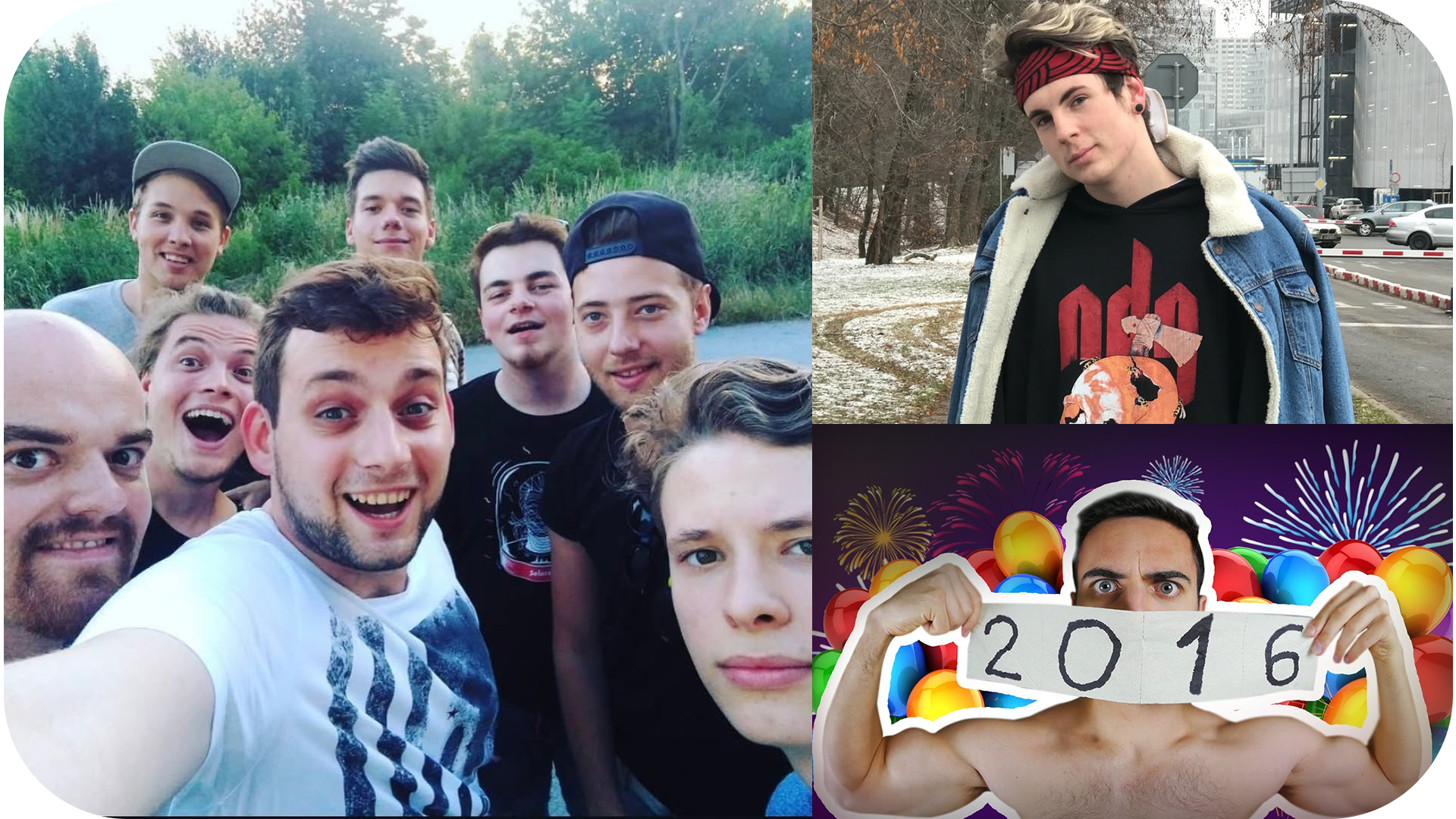
Nostalgia for this year is also a reaction to major global upheavals that came later, such as the pandemic, geopolitical crises, climate anxiety, or the massive introduction of AI into everyday online space. Remembering the "before" period works as a mental escape that allows people to slow down for a moment and return to a sense of control and familiarity.
2016 aesthetic
When it comes to fashion, skinny jeans are experiencing the biggest comeback after years of wide-leg and baggy cuts. This time, however, they are combined with oversized tops, which seems less extreme. Ankle boots in more neutral colors or ballet flats, which divide society into two camps, are also making a comeback. The so-called millennial pink, a soft pink that was everywhere ten years ago, is also making a comeback. However, the most iconic is certainly the bomber jacket, especially in dark green, followed by lace slip dresses, satin tops and velvet tops or dresses.
With fashion, the iconic 2016 makeup is also making a comeback, which is the opposite of the clean girl aesthetic. This makeup is typical of matte lips, strong eye shadows, contours and especially without blush! Typical black chokers are also nostalgic. Lip kits from Kylie Jenner, who was the "ambassador" of this period, went viral.
What did we live in 2016?
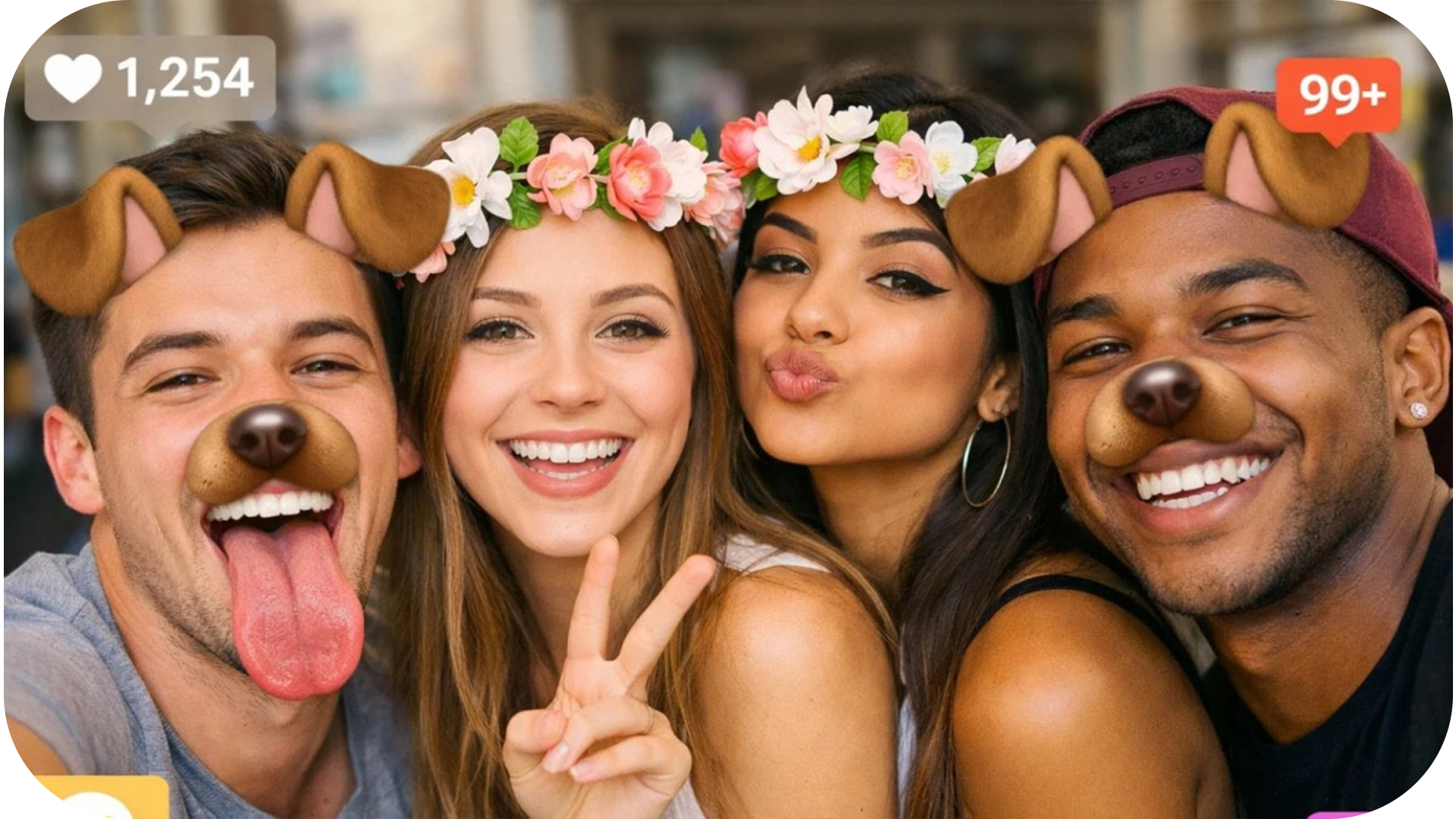
In the past ten years, not only fashion has changed, but also the way we use the internet and social networks. One of the most striking symbols of this era is Snapchat filters, especially the iconic dog filter. Viral challenges and collective internet moments that were typical of 2016 are also experiencing a big comeback, such as the Mannequin Challenge or the Pokémon Go phenomenon. This trend is both about fond memories and a cultural reaction to today's digital age, in which the online space is saturated with AI-generated content, algorithms and pressure to perform. The online space of that time was more chaotic, but all the more human. The year 2016 is therefore a kind of "symbol" of a time when the internet was mainly used for sharing experiences, not for building a personal brand.
How the return of trends differs from the original year 2016
Although we idealize the year 2016, its return is not about exact copying. Fashion, visual and digital elements do not return in their original form, but undergo a significant reinterpretation. In fashion, for example, this means that iconic pieces from 2016 are combined with modern styling. It is similar in makeup. However, the biggest difference is in the context in which these trends arise. While 2016 was spontaneous, in 2026 we are consciously and nostalgically returning to these trends.
Tumblr era
One of the strongest parts of 2016 is the Tumblr era. Although the platform itself no longer plays a significant role today, its visual elements have survived and are experiencing a significant comeback in 2026, especially on Instagram and TikTok. Tumblr is a blogging tool that was created in 2007, but experienced its greatest cultural impact around 2012 to 2016. Unlike today's social networks, it was not built on algorithms, viral reach, or personal branding. It functioned more as a digital diary and a space for visual and textual expression of emotions, moods, and identity.
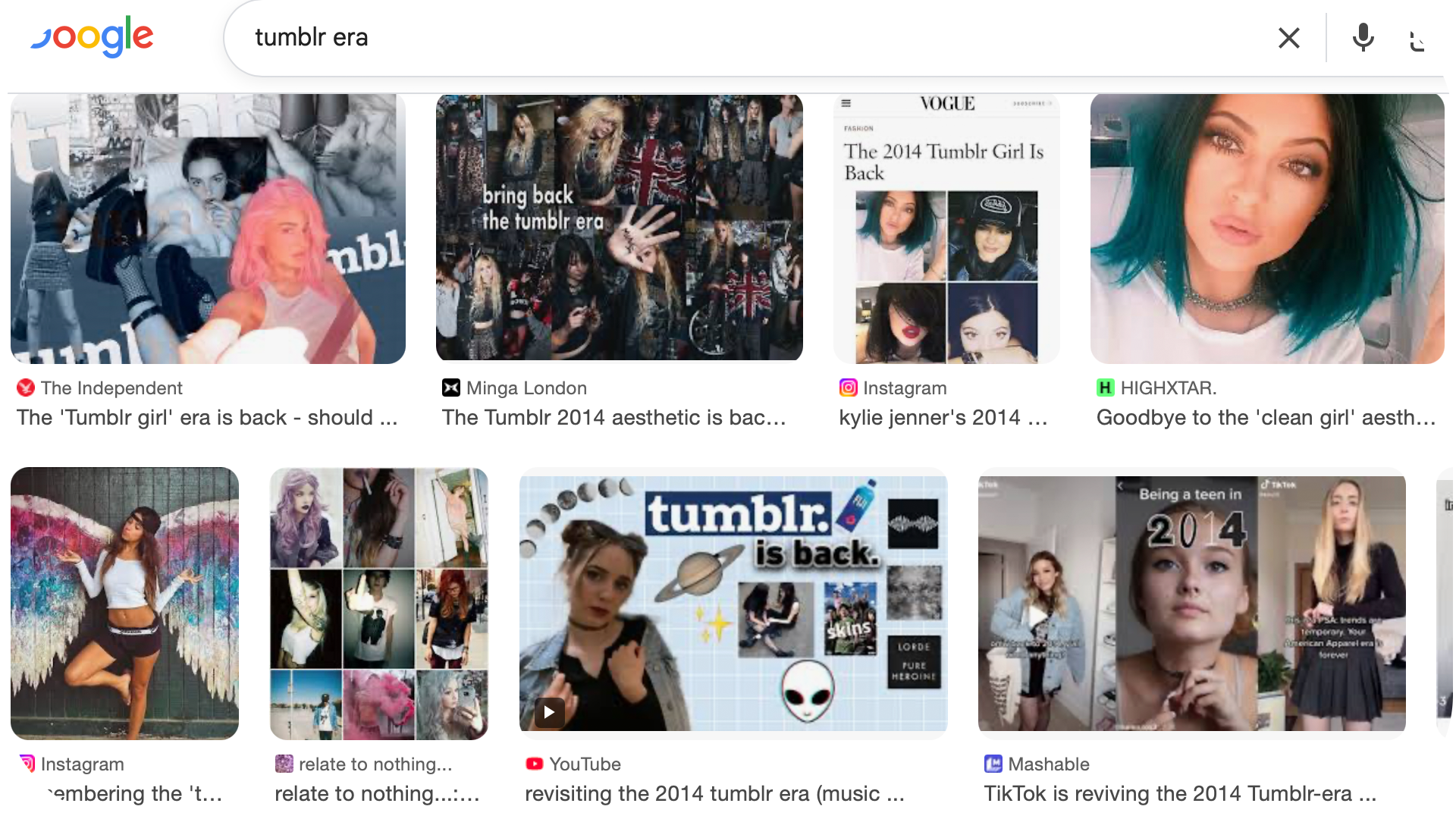
Tumblr was also a place where entire subcultures were formed, from soft grunge and indie aesthetics, to fandoms of series and bands. For many young people, it represented the first online space where they could be honest without pressure for perfection or performance. That's why Tumblr has become one of the main sources of the aesthetics that we associate with 2016 today.
Interestingly, while in 2016 this aesthetic was spontaneous and unconscious, today creators are returning to it purposefully. Tumblr visuals appear in fashion editorials, brand campaigns, and influencers who use them to communicate vulnerability, rebellion, or a return to the "old internet."
What the return to 2016 tells us about today's internet
The fact that the internet in 2026 is returning to 2016 says a lot about how we feel about the online space today. The desire for old trends, filters and formats is not just about fashion or aesthetics, but about the need to slow down and rediscover humanity in the digital world.
The year 2016 symbolizes a period when the internet was not yet completely consumed by optimization, artificial intelligence and the pressure for constant productivity. Returning to it is therefore less about the past and more about a critique of the present. About the desire for a space where every moment is not content and every post is not performance.
Maybe we will never return to 2016. But the fact that we cling to it so intensely suggests that the internet and, with it, its users are seeking a new balance between technology and authentic experience.