by Google
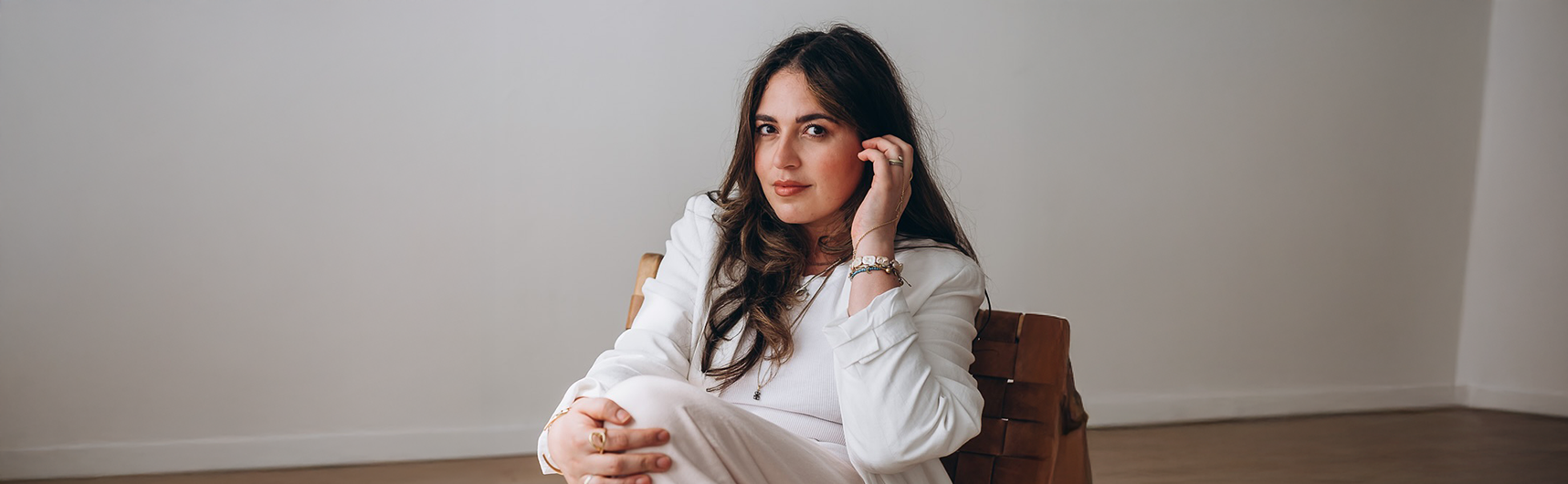
Podcast creator Sandra Hemzová from Group Therapy talks openly about why Christmas is the most difficult time of the year for many and how to handle it with mental peace. In the interview, you will learn specific tips on how to survive the holidays when you have tense family relationships and are suffering from Christmas stress. If you are looking for practical advice on how to set boundaries, have more compassion for yourself and create your own "Christmas mental equipment", this interview is for you.
Hi, first of all, introduce yourself, who is Sandra?
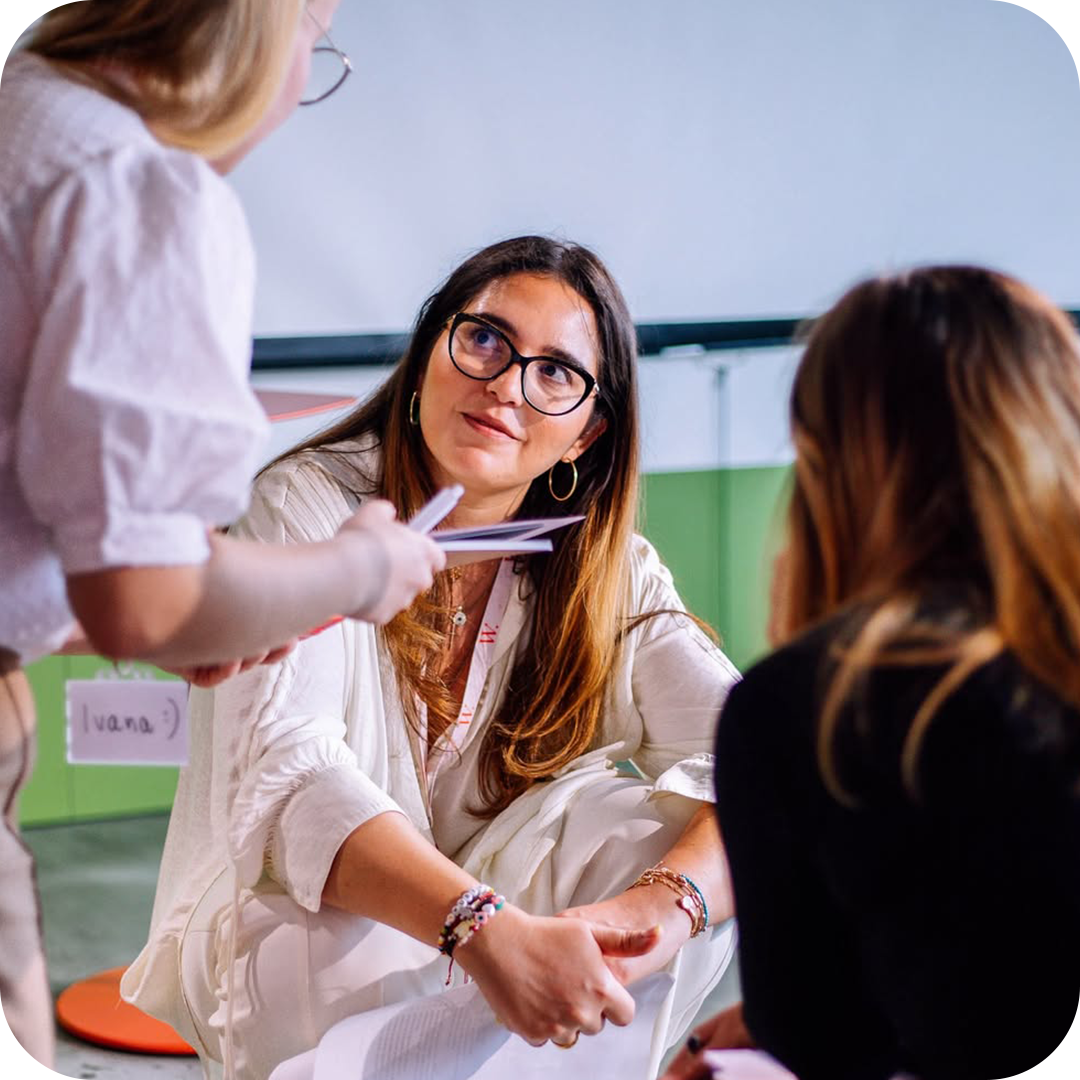
Hi, I create the podcast Group Therapy, I organize the KESHTAG conference for content creators and small and medium-sized entrepreneurs. I am fascinated by psychology because I have always been fascinated by the human soul and that is also the reason why I do Group Therapy. The goal of this podcast is to help us make better and more conscious decisions in life.
When you say you've always been interested in psychology, did you go and study it?
No, that's one of the biggest misconceptions people have, that I'm a psychologist, but I'm not, I'm just a fan. When I found out it takes 7 years, I thought I could become a psychiatrist in that time and I didn't want to go to medical school like I did for another degree. But when I dropped that option, I never thought I'd go back to it.
What made you start to be fascinated by psychology?
Mass murderers, haha. The human side of it only came when I worked with entrepreneurs. There I found that it helped me at work when I knew a lot of these psychological things. It was a very high performance environment and when I saw what stress can do to people, whether in terms of health or psychology, how it can destroy them, I said to myself, "WOW" and that's how I got into it.
When did you translate this fascination with psychology into your work? How did Group Therapy come about?
There were three of us at first and we released the first episode at the end of 2022. In 2023 we started the podcast in full.
What is the most important thing for you when creating?
Definitely the guests. A good guest is important to me, even though I still work with the idea that the guest shouldn't matter so much, that you should be the center of the podcast. That's why I rotate the same experts around, because I've found that we have more trust in each other and they know what they can afford to do with me. For example, when we built that trust with some of them, they weren't afraid to tell me what I was saying wrong. And of course, improving and learning from my own mistakes is important to me.
Do you remember an episode that was the hardest for you to record? And conversely, which was the easiest for you to record?
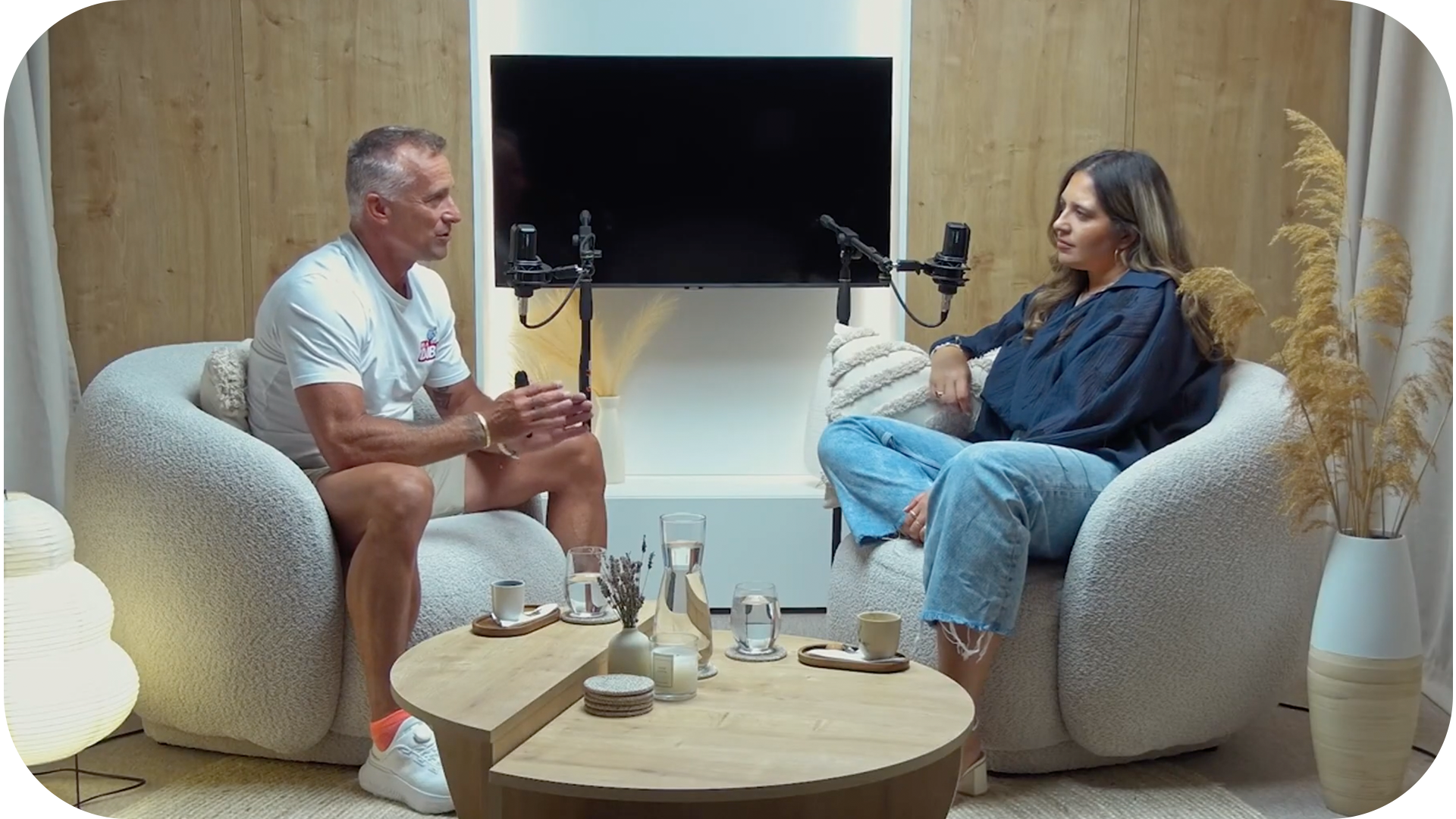
When we started and there were three of us, every psychologist who sat in our chair told us that what we were doing was extremely dangerous and they all recommended that we be in preventive psychotherapy. You never know what a given topic or conversation can open up in you. And do you know what was the hardest for me to record and I couldn't deduce it there, but only after the recording? The episode with Brona Švrčková about toxic relationships.
I saw myself there and even though it's long gone, it was very difficult to watch it again. It was difficult and when I listened to myself, I couldn't get out of there and get to a point and I was actually avoiding answering. And I liked the episode with Pavol Moric the most, who is actually a Czech couch, he's great. He has brutal energy and even though it took us a while to get along, I really enjoyed the conversation.
How do you take care of your mental health?
Preventive therapy. I also try to write a lot, because writing is the best form of psychoventilation. Something like a diary, but I don't write that I did XYZ today, but rather I just complain on the paper and write everything that comes to mind and everything that I feel. Writing is something that every psychologist who has ever sat with me has agreed on. And sports, that is, the regular release of endorphins.

What sports do you do?
I go to the gym with a trainer, I walk, now I've started boxing again and I also enjoy yoga.
What is the biggest myth about mental health or therapy that you still encounter?
That in order for people to go to therapy, it has to be something serious. They wait until it gets really bad and say to themselves, "I'm not that bad yet to go to therapy." People also often compare their problems and think that if no one is beating them or they're not starving, they have nothing to complain about and no reason to go to therapy. What is the place of Christmas in your life? Do you like Christmas? I love Christmas! I like that there were always a lot of people at our place for Christmas. Whether it was family friends who were like family, neighbors, or the whole family getting together. Part of my family lives abroad and they also try to come to Slovakia regularly to be together. In my perfect world, we would be the whole family, including my sister with her husband and his family, their children, together. Do you have a favorite Christmas dish? Yes, it's carp. I heard that many people don't like it, but I think that's because they don't know how to prepare it well. My mom makes it in an Arabic way, since my dad is from Iraq, and it's delicious.

Does anything stress you out about Christmas?
I think I just have that operational stress, whether everything will be done, whether everyone will come, whether everyone has presents. I do those polls on Instagram, and a lot of people are stressed out by the fact that they have to be with the family, and also that it costs a lot of money. We don't buy gifts in our family, so I'm exempt from that and I don't have that primary stress like most people.
When you say that this period stresses a lot of people and that it is the most difficult time of the year for them, why do you think that is so?
I think that is because the family should be such a basic social building block and unfortunately for many people it is not. People are also stressed out because they should be happy or because they already know what you will experience and how you will experience it, and it may not be good. People from divorced families are stressed out about which parent they will spend Christmas with, who will be offended, who will experience it how.
Some of my friends are still worried about things in their thirties that if someone had told me in their twenties, I would have thought that could not be true. Another factor is that you remain closed with these people and you feel that you have no starting zone. I understand that and I also understand that for many it is cutting off some people or leaving is even more stressful than just surviving it. And then of course finances.

What advice would you give to someone who has strained family relationships? Any tips on how to survive the holidays.
If the situation in the family is difficult, it is completely natural to feel anxiety, sadness, anger or resentment. The problem is not in you, but in the context in which you find yourself. Find one safe point that will be an anchor. It does not have to be a person, it can be a short walk, your own ritual, music, writing in a diary and the knowledge that after the holidays life will return to normal. One stable point can hold the whole day. It is not your job to "save" them, nor to maintain the atmosphere at all costs. Remember that no family is perfect, we have our lives in our own hands and we have to make that decision.
How to deal with the pressure of a "perfect" Christmas from Instagram?
I have learned that the happier Instagram, the unhappier life. Many times it has the opposite effect on me, but I understand that when you are having a hard time, it can strike a chord. I would advise turning off social media or unfollowing everything that makes you feel bad. At the same time, running away is not the solution, so we need to be aware of this if we need to unfollow someone at that moment. Plus, have compassion for ourselves.
What are three things that should be part of your Christmas mental equipment?
Breathe. Not everything needs our reaction. Not everything is about us.
Are you planning any Christmas episodes of the podcast during the holidays?
That's a good idea, I could do an episode "How to Survive Christmas".
What are your plans for your work in the future?
I would like to be the Anas Bukhash or Steven Bartlett of Central Europe. I would like it to be bigger and my dream is to have my own studio. Maybe one day it could become a TV format or something like that.
What would you like to say to our readers?
Love yourself, because when you love yourself, you can love other people too. And I wish them lots of love and understanding.
You can watch the Group Therapy podcast HERE