by Google
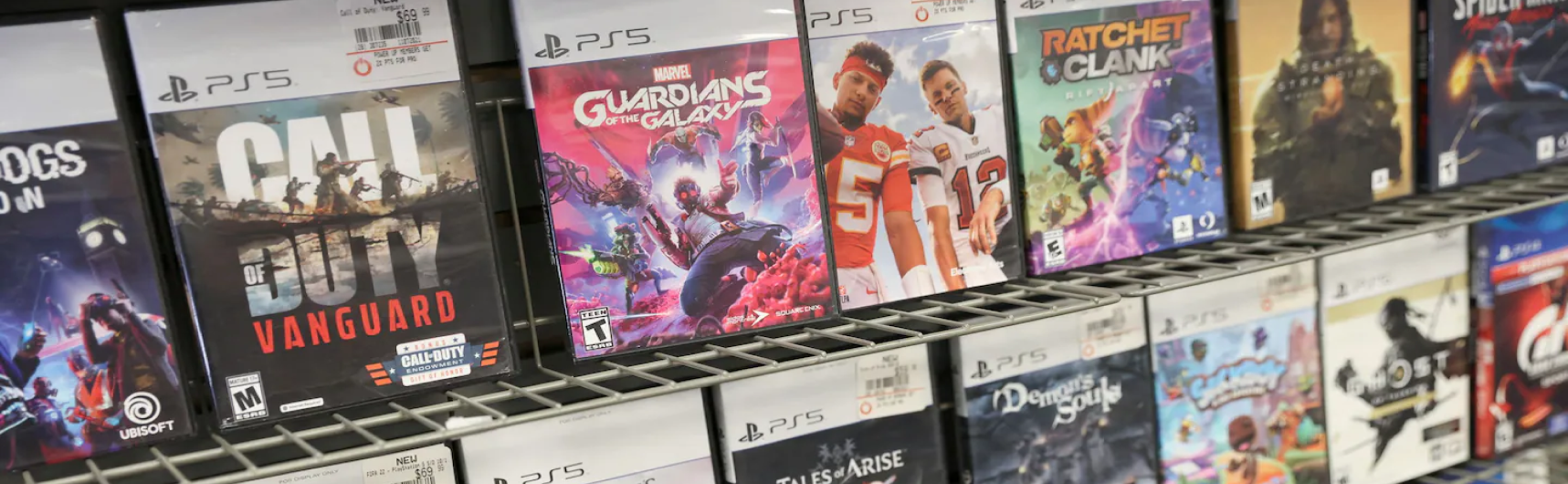
The gaming world has been hit by news that is definitely changing the rules of the game. Sony has confirmed on its official PlayStation blog what collectors have been fearing for a long time. From January 2028, the production of physical discs for all new PlayStation titles will completely end.
After this date, you will only be able to buy any new game in two ways - either as a direct digital download via the PlayStation Store, or from your local retailer in the form of a so-called code in a box. Although this decision does not apply to older games released before 2028, it clearly shows us where the gaming industry is irresistibly heading. According to the company, the reason is the change in the behavior of players, the vast majority of whom already prefer the digital format.
The fact that this purely digital future is not knocking on our door, but is already sitting in our living rooms, is perfectly confirmed by the most anticipated title of this decade – GTA 6. Just recently, Rockstar Games caused a huge wave of controversy (and the anger of several independent retailers) when it announced that the physical edition of the new GTA for PS5 and Xbox Series X/S will not contain any disc. For the full price (which has also risen to $80), players are essentially buying just a plastic box with an enclosed leaflet and download code.
This step is opening up a huge and sometimes very heated debate among the community about the future of bazaars and whether we actually still own games.
Will digital games be cheaper?
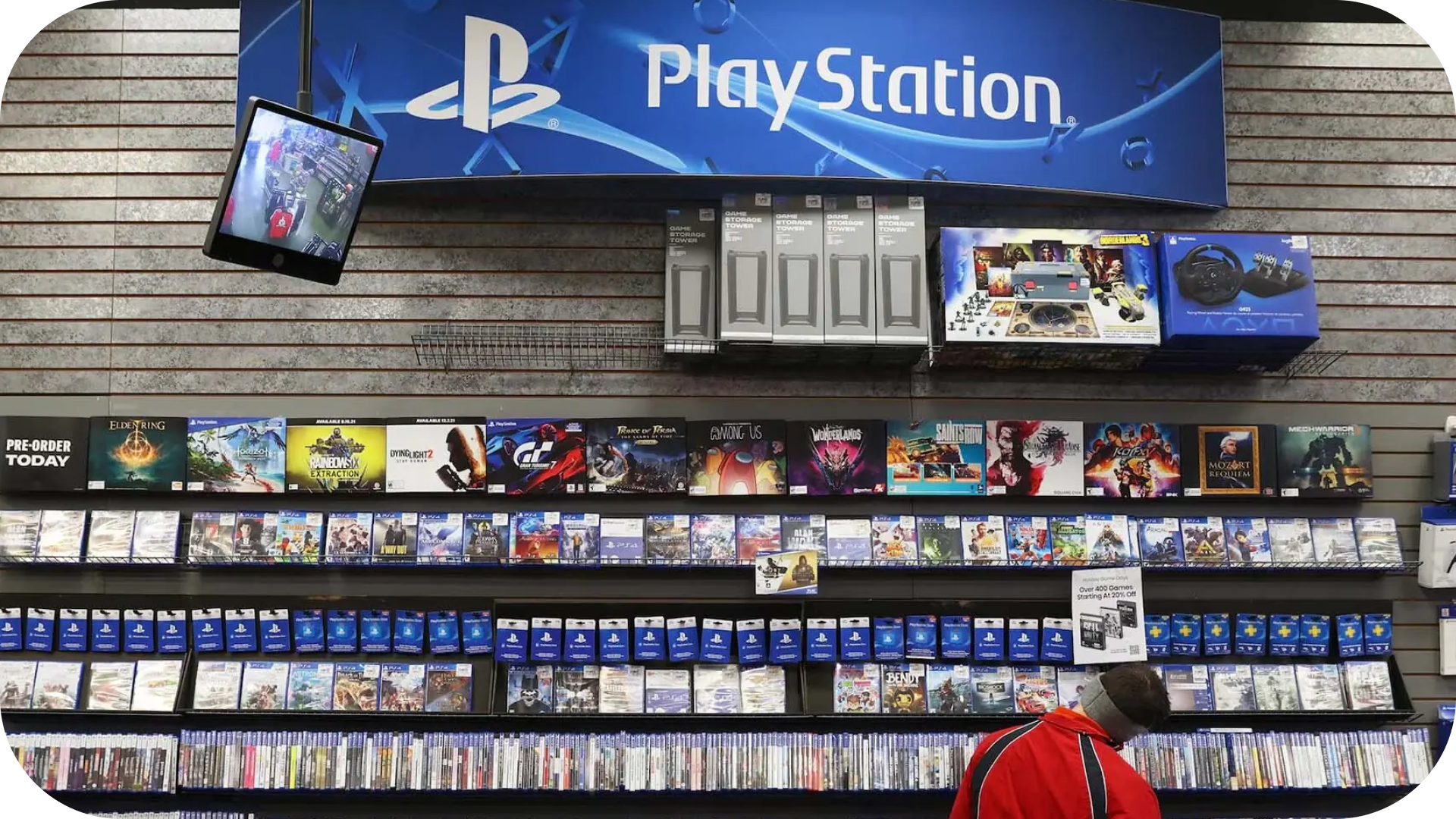
Many players logically hoped that if publishers were free from the costs of pressing Blu-ray discs, printing paper packaging, and distributing them to brick-and-mortar stores around the world, the price of the games themselves could finally drop. However, former PlayStation boss Shawn Layden recently dashed this hope and explained why we won't see a discount just by switching to digital.
According to Layden, the idea of huge savings from physical copies is wrong. The production of the disc, the plastic box and logistics alone make up only an absolute fraction of the total price, often only one or two dollars per piece. What really eats up the budget and dictates the final price tag is the development itself.
Creating a modern AAA title today costs hundreds of millions of dollars, development takes more than five years and requires huge teams of programmers, animators, actors and massive marketing. Therefore, removing the plastic box does not create any meaningful financial reserve that would allow publishers to reduce the 70 or 80 euro price tag. The costs of creating games are constantly increasing, and studios have to cover this amount regardless of whether you download their game from a server or bring it home in a bag.
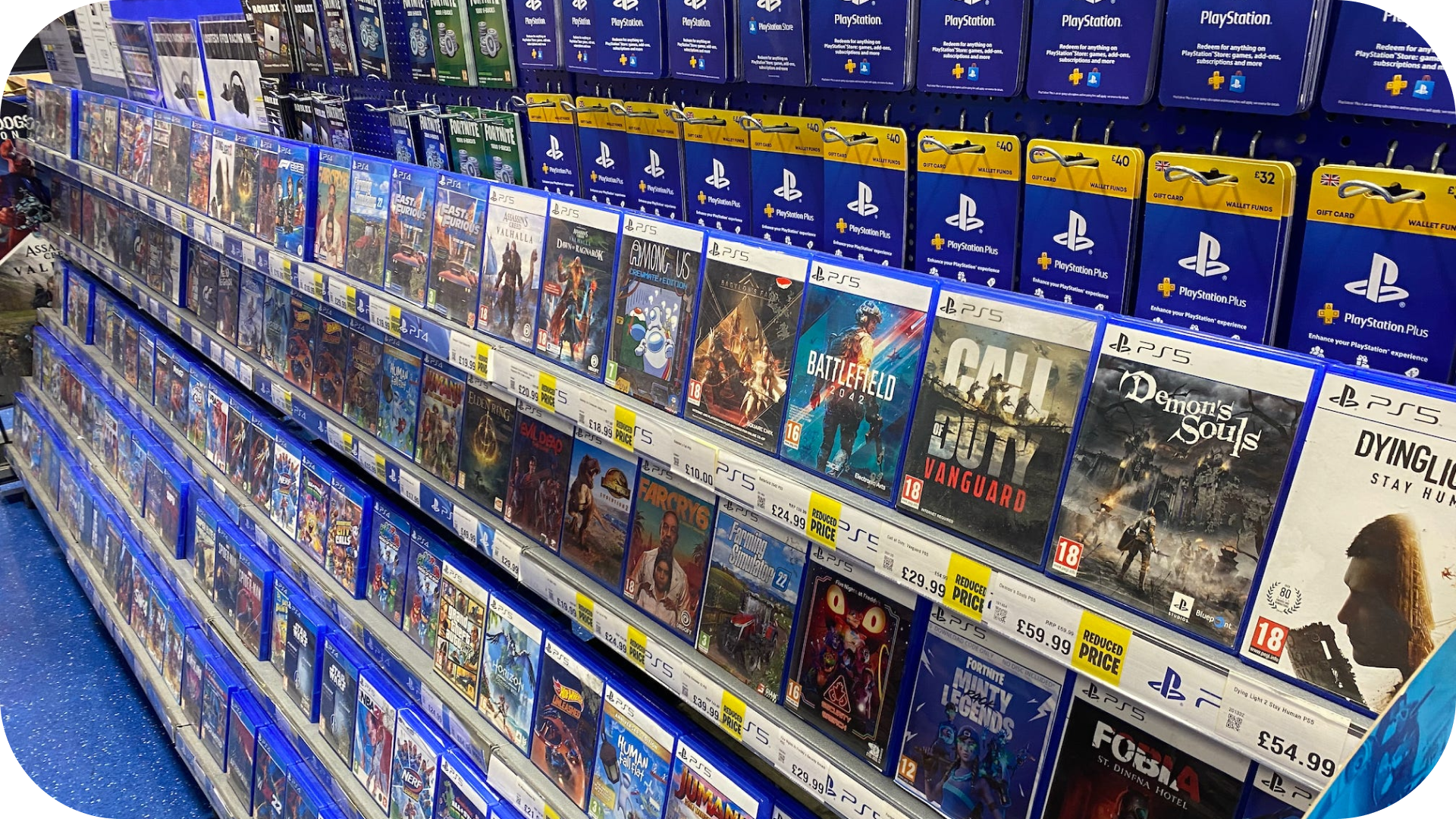
The end of bazaars and the loss of real ownership
The transition to purely digital distribution brings with it another fundamental problem that gamers are not exactly happy about. The physical disc meant freedom. When you finished the game, you could easily transfer it to a friend, exchange it for another title, or sell it through the bazaar and get at least some of the money back to buy the next new product. With the advent of the era of "codes in a box" and digital licenses, this ecosystem is definitely coming to an end.
In addition, the important question of real ownership opens up. With a digital copy, you are not buying the game, you are only buying a license to access it. Although it sounds like a bureaucratic detail, in practice it means that if the publisher's copyright to the music in the game expires, or Sony decides to shut down the servers in 10 years, you could theoretically lose your purchased titles. The feeling of having a full shelf of your favorite games that you can play even in twenty years without the need for an internet connection is slowly but surely becoming a thing of the past.
What do Slovak and Czech YouTubers say about this?
RTHWLDN:
,,For me, this is a terribly bad step for all gamers and game fans. The end of any game ownership, the end of lending games to friends or selling them at the flea market. Digital games will also be more expensive than physical ones and Playstation can delete any game at any time and the game will cease to exist. Preserving games will be much more complicated and everything will depend on the PS servers - will they not work? You won't play anything.."

ASTATORO:
Well, I personally didn't really care about physical copies. Probably the only one I had in my life was CS 1.6 because there was a code for Steam 😂. But I understand people who are offended by it and want to have some certainty that they own the game. I rarely go back to games that I transferred, so I rather buy consumables (I transferred a lot of games via PlayStation Plus). I would probably summarize it by saying that we are in a time when this is not done much in music anymore, people don't need physical movies either, but gamers are also more sensitive to it because we were such a misunderstood community back in the day. Anyway, I think people will get used to it and if not, you can give me a sub on Kick as a form of disagreement.