by Google
We all know that good influencer marketing can skyrocket your brand. Sales will soar, brand awareness will grow, and you'll feel like you've found a gold mine. But let's face it, it also has its dark side. One wrong choice of creator or ignoring "red flags" can drag you into a PR nightmare.
That's exactly why the term Brand Safety is being used more and more often today. Let's take a look at how to protect your back and reputation in a digital world that doesn't forgive mistakes.
What exactly is "brand safety"?
In practice, it means your insurance that your logo won't appear in a video or on a profile that spreads hate, misinformation, or otherwise participates in toxic content. It's about ensuring that the creator you send your budget and products to actually shares your brand values and that their behavior doesn't drag you into the "cancel culture" zone.
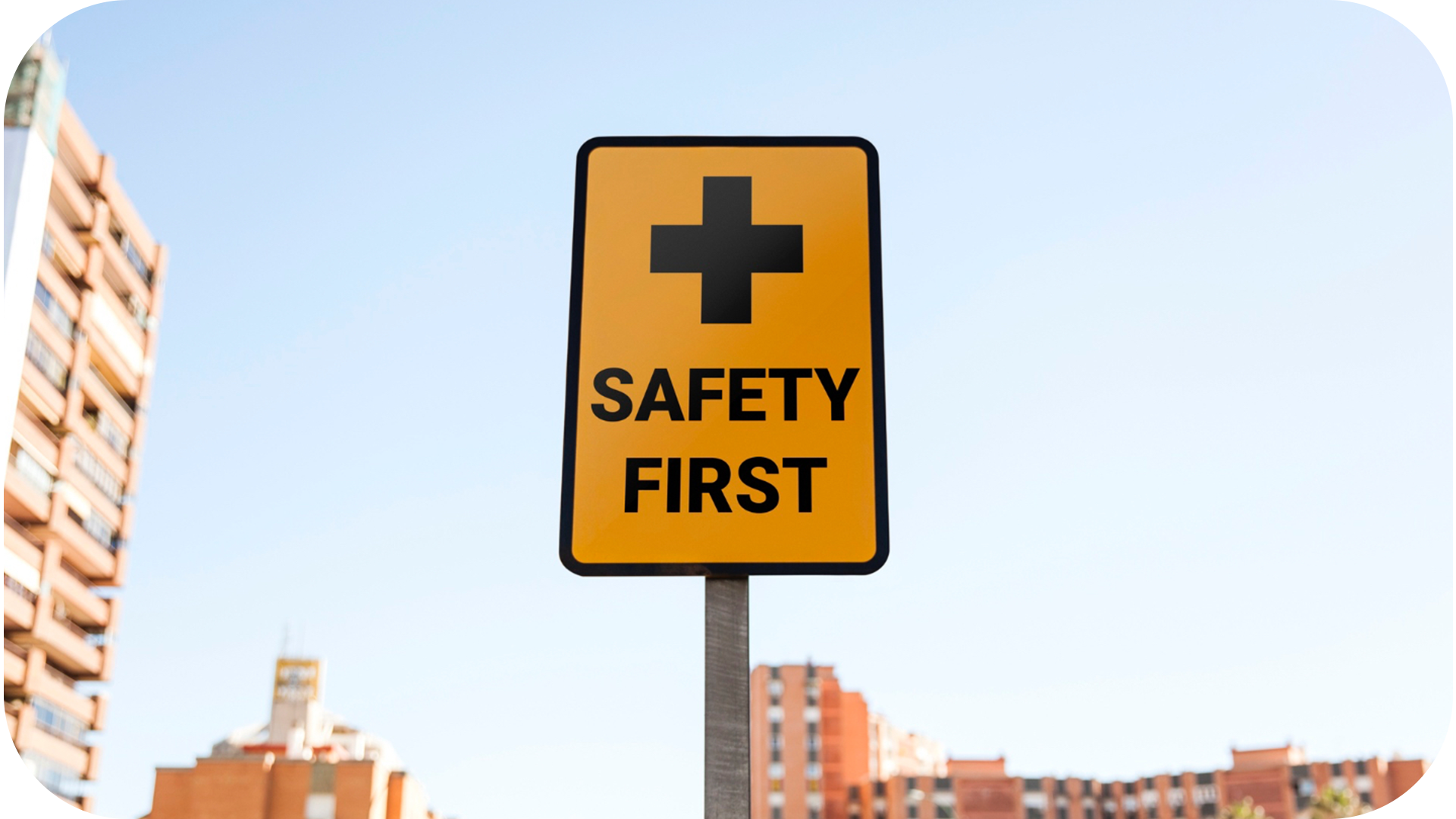
Why should you care?
Maybe you're thinking it can't happen to you. But one slip-up in an influencer's Stories is enough and you'll feel the consequences immediately:
Reputation is fragile: You build it up for years, but it can be destroyed with one viral and inappropriate video.
Community trust:The younger generation and Gen-Z are extremely sensitive to who brands sponsor. If you support someone with a dubious background, customers will figure it out and move on to the competition.
Legal hassles: Clear ethical and legal standards will save you from fines and lawsuits in case of non-compliance with advertising rules.
4 steps to protect your brand and not lose your temper
1. Vetting: Measure twice, sign once. Before you write to someone, do your research. Don't just look at whether the creator has 100,000 followers on Instagram or TikTok, but also at their demographics, how they respond to criticism in comments, or whether they have had any unnecessary lawsuits in the past. Quality research is half the battle.
2. Brief: The rules of the game must be clear. A good brief is the basis of healthy cooperation. Define exactly what you need from the creator, what type of content you prefer, and how long it should be online. Don't forget the "Do's and Don'ts", a clear list of what you explicitly don't want in the video, such as vulgarity or mentioning competitors.
3. Approval:Trust, but verify. You should be able to see the content before publishing. Check that it meets the assignment and doesn't seem crampy. If something doesn't work, give the creator constructive feedback. We're human after all, and adjustments can always be agreed upon.
4. Contracts, contracts, contracts: A handshake via DM message is really not enough in 2026. You need a bulletproof contract that clearly defines the rights to use the content and, most importantly, don't leave out a clause about early termination of cooperation if the influencer starts behaving unethically or grossly violates the rules.

Tools that will make your life easier
You don't have to do everything manually. Technology is here to help you uncover what you can't see at first glance:
Analytics and Fake Followers: Avoid influencers with purchased followers. Tools like HypeAuditor, Modash or Social Blade will show you real engagement, demographics and reveal any anomalies in follower growth.
Social Listening: Do you want to know in what context your brand and your influencers are being talked about on the internet? Try Mention, Sprout Social, or Hootsuite.
Comprehensive platforms: If you manage dozens of collaborations, platforms focused directly on influencer marketing will simplify everything from finding suitable faces to approval processes and measuring ROI.

Micromanagement kills creativity
Finally, one important thing. It's great to have everything taken care of, but be careful not to suffocate the creator. Finding the right balance between protecting the brand and trusting the influencer is the alpha and omega.
If you give an influencer a script in which they have to read word for word, the result will seem artificial and the audience will immediately sense it. Trust them. They know their community best and what works for them. Be flexible and give space to authenticity, because only that can build real trust today.
Brand safety is not a brake on marketing. With a good strategy, a human approach and clear rules, your campaigns will not only be successful, but above all safe.